
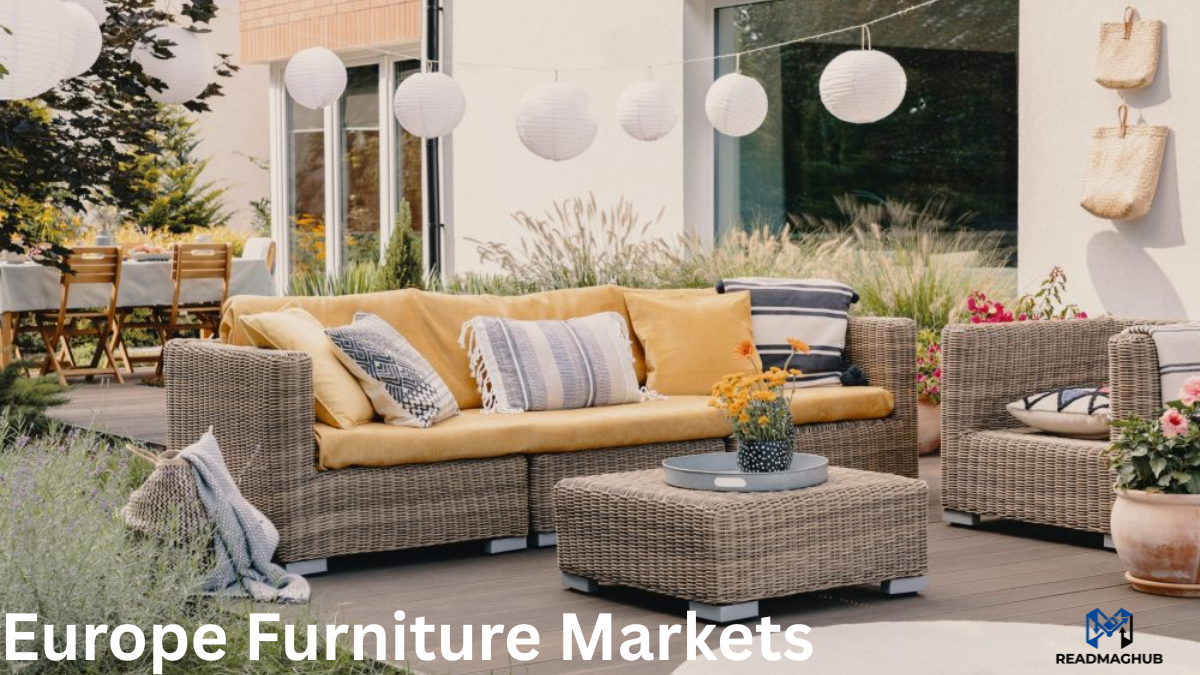

The europe furniture markets are changing faster than many buyers, retailers, and manufacturers expected. Rising material costs, shifting consumer habits, sustainability rules, and online shopping have transformed how furniture is designed, sold, and delivered across Europe. Whether you are a homeowner looking for affordable quality, a retailer trying to predict trends, or a business exploring European expansion, understanding this market now requires more than just tracking styles.
In recent years, buyers across countries like Germany, Italy, France, and the Nordic region have started prioritizing durability, modular designs, and eco-friendly materials over fast-furniture purchases. At the same time, furniture brands are facing pressure to balance local craftsmanship with global supply chain realities. This creates both opportunities and challenges throughout the industry.
This guide explains how europe furniture markets operate today, what trends are driving growth, where the strongest opportunities exist, and which hidden market shifts many articles overlook. You will also learn practical insights that help consumers, sellers, and investors make smarter decisions in a rapidly evolving furniture landscape.
Understanding Europe Furniture Markets
Europe has one of the world’s most mature and design-focused furniture industries. Unlike some regions dominated by mass production alone, European markets combine:
- Traditional craftsmanship
- Luxury manufacturing
- Sustainable production
- Modern e-commerce distribution
- Smart-home furniture innovation
The market includes residential furniture, office furniture, hospitality furnishings, outdoor products, and custom interior solutions.
Countries such as Italy and Denmark remain global leaders in premium furniture design, while Poland and Eastern European nations have become manufacturing hubs because of lower production costs and skilled labor availability.
Why Europe Remains a Global Furniture Leader
Several factors keep Europe highly competitive:
- Strong design heritage
- Advanced manufacturing standards
- High demand for sustainable products
- Growing urban housing trends
- Cross-border trade within the EU
European buyers are also more willing to pay for long-lasting furniture compared to many fast-consumption markets.
Key Trends Driving Europe Furniture Markets
Sustainability Is No Longer Optional
One of the biggest changes in europe furniture markets is the shift toward environmentally responsible production.
Consumers increasingly ask questions like:
- Is the wood FSC-certified?
- Can the furniture be recycled?
- Were low-emission materials used?
- How long will the product last?
Brands that fail to answer these concerns are losing market relevance.
Practical Example
Many furniture companies now use:
- Recycled fabrics
- Water-based adhesives
- Reclaimed wood
- Circular production models
A growing number of European consumers even prefer repaired or refurbished furniture instead of replacing items completely.
Modular Furniture Is Growing Fast
Urban apartments across Europe are becoming smaller, especially in cities like Paris, Berlin, Amsterdam, and Barcelona.
This has increased demand for:
- Foldable furniture
- Multi-functional sofas
- Expandable dining tables
- Storage-integrated beds
One unique insight often missed is that modular furniture is not only popular because of space savings. Many younger European buyers move homes more frequently than previous generations, making portable and adaptable furniture far more practical.
Online Furniture Shopping Keeps Expanding
E-commerce changed europe furniture markets dramatically after 2020.
Consumers now expect:
- 3D room visualization
- Fast delivery tracking
- Flexible return policies
- Augmented reality previews
- Easy assembly guides
However, physical stores still matter. Many buyers research online but finalize purchases in showrooms where they can test comfort and material quality.
This hybrid buying behavior is becoming the new standard across Europe.
Top Regional Markets in Europe
Italy: Premium Design Leadership
Italy remains synonymous with luxury furniture and timeless craftsmanship.
Italian furniture companies are especially strong in:
- Luxury sofas
- Designer kitchens
- Premium office furniture
- High-end lighting integration
Italian brands succeed because they combine aesthetics with engineering precision.
Unique Insight
Many luxury Italian manufacturers now quietly collaborate with technology firms to integrate wireless charging, hidden smart controls, and sensor-based lighting into premium furniture pieces. This fusion of furniture and smart-home technology is expected to grow significantly.
Germany: Functionality and Engineering
Germany focuses heavily on:
- Durable materials
- Ergonomic office furniture
- Precision manufacturing
- Minimalist modern styles
The country also leads in sustainable furniture certifications and automated production systems.
German consumers tend to prioritize reliability over trend-based buying.
Scandinavian Markets: Minimalism and Sustainability
Countries like Denmark, Sweden, and Finland heavily influence global interior design trends.
Scandinavian furniture emphasizes:
- Clean lines
- Natural materials
- Light colors
- Practical functionality
These markets also lead in sustainable innovation and circular economy furniture models.
Less Discussed Reality
While Scandinavian furniture looks simple, manufacturers invest heavily in ergonomics and psychological comfort design. Some companies test how colors, textures, and furniture angles influence stress reduction inside homes.
This human-centered design approach is becoming increasingly important across Europe.
Eastern Europe: The Manufacturing Powerhouse
Poland, Romania, and neighboring countries play a major role in furniture manufacturing.
Advantages include:
- Lower labor costs
- Skilled woodworking expertise
- Strong export networks
- Competitive production pricing
Many Western European brands outsource production to Eastern Europe while maintaining design operations elsewhere.
This balance helps companies reduce costs without sacrificing quality standards.
The Impact of Sustainability Regulations
Europe has strict environmental policies affecting furniture production.
Manufacturers now face regulations involving:
- Carbon emissions
- Packaging waste
- Chemical safety
- Product lifecycle transparency
This pushes brands toward:
- Durable construction
- Reduced packaging
- Ethical sourcing
- Local manufacturing
Common Mistake Businesses Make
Many companies focus only on eco-friendly materials but ignore repairability.
European consumers increasingly value furniture that can:
- Be repaired easily
- Replace parts individually
- Last for many years
Durability is becoming just as important as sustainability claims.
Furniture Categories Seeing Strong Growth
Home Office Furniture
Remote work continues influencing europe furniture markets.
Demand remains high for:
- Ergonomic chairs
- Adjustable desks
- Acoustic furniture panels
- Compact workstations
Consumers now want home office furniture that blends naturally with living spaces instead of looking corporate.
Outdoor Furniture
Outdoor living spaces became more important after lifestyle changes across Europe.
Popular products include:
- Weather-resistant dining sets
- Balcony furniture
- Compact outdoor seating
- Sustainable teak alternatives
Southern European markets especially show strong seasonal demand.
Smart Furniture
Technology integration is expanding quickly.
Examples include:
- Wireless charging tables
- Smart lighting furniture
- Sensor-controlled recliners
- App-connected office desks
Although still premium-priced, smart furniture adoption is growing among younger urban consumers.
Challenges Facing Europe Furniture Markets
Rising Raw Material Costs
Wood, metal, foam, and shipping prices remain volatile.
This creates pressure on:
- Retail pricing
- Profit margins
- Manufacturing timelines
Many companies now diversify suppliers to reduce dependency on single regions.
Labor Shortages
Traditional craftsmanship industries face aging workforce challenges.
Experienced:
- Woodworkers
- Upholsterers
- Furniture finishers
are becoming harder to replace.
Some companies respond by investing in automation, while others create apprenticeship programs to preserve skills.
Consumer Demand Volatility
European buyers have become more cautious about large purchases due to inflation and economic uncertainty.
Consumers increasingly:
- Compare prices longer
- Delay upgrades
- Choose financing options
- Prioritize long-term value
Brands that communicate durability and practicality often perform better during uncertain periods.
Practical Buying Tips for Consumers
If you are shopping within europe furniture markets, consider these practical strategies:
Focus on Material Quality
Solid wood, high-density foam, and durable fabrics often save money long term.
Cheap materials may look attractive initially but wear out quickly.
Ask About Repair Policies
Some European brands now offer:
- Replaceable covers
- Spare components
- Repair services
This extends furniture lifespan significantly.
Measure Delivery Logistics Carefully
A common issue in European cities is narrow staircases and compact elevators.
Before buying:
- Check packaging dimensions
- Verify assembly requirements
- Confirm delivery access
This simple step prevents expensive delivery complications.
Compare Sustainability Claims Carefully
Not all eco-labels mean the same thing.
Look for:
- Verified certifications
- Material transparency
- Manufacturing disclosures
Avoid vague marketing phrases without supporting details.
Future Outlook for Europe Furniture Markets
The future of europe furniture markets will likely center around three major themes:
- Sustainability-driven innovation
- Smart and connected furniture
- Flexible living solutions
Consumers increasingly want furniture that:
- Lasts longer
- Adapts to changing lifestyles
- Reduces environmental impact
- Combines comfort with technology
At the same time, local craftsmanship may become more valuable as buyers seek authenticity over mass-produced designs.
One emerging trend worth watching is subscription-based furniture services. Some European companies now allow customers to rent, exchange, or upgrade furniture instead of purchasing permanently. This model appeals strongly to younger urban professionals.
Frequently Asked Questions
What makes europe furniture markets different from other global markets?
European furniture markets focus heavily on design quality, sustainability, and durability. Many European consumers prioritize long-term value over low-cost mass production. The region also has strict environmental regulations that influence manufacturing standards and material sourcing.
Which European country is strongest in furniture manufacturing?
Italy leads in luxury furniture design, while Poland is one of Europe’s largest manufacturing hubs. Germany excels in engineering-focused furniture production, and Scandinavian countries dominate minimalist and sustainable design trends.
Is sustainable furniture more expensive in Europe?
Sustainable furniture often has a higher upfront price because of certified materials and ethical production practices. However, many products last longer and offer repair options, which can reduce replacement costs over time. Buyers increasingly view durability as part of sustainability.
Why is modular furniture becoming popular in Europe?
Smaller apartments, urban living, and lifestyle flexibility drive modular furniture demand. Consumers want pieces that can adapt to different spaces and moving situations. Modular designs also support minimalist living trends popular among younger Europeans.
How is e-commerce changing europe furniture markets?
Online shopping allows consumers to compare prices, customize products, and visualize furniture digitally before purchase. However, many buyers still prefer visiting physical stores for comfort testing. The market is shifting toward hybrid retail experiences that combine both channels.
What are the biggest challenges facing European furniture companies?
Major challenges include rising raw material costs, labor shortages, sustainability compliance, and changing consumer spending habits. Companies must also balance affordable pricing with quality expectations and environmental responsibility.
Conclusion
Europe furniture markets continue evolving through sustainability demands, technological innovation, changing lifestyles, and shifting consumer expectations. The industry is no longer driven only by aesthetics. Buyers now care deeply about durability, functionality, repairability, and environmental impact.
For businesses, success increasingly depends on balancing smart manufacturing with authentic design and transparent practices. For consumers, understanding these market shifts can lead to better purchasing decisions and longer-lasting value.
The most successful companies in the coming years will likely be those that combine craftsmanship, sustainability, and adaptability rather than simply following short-term trends.