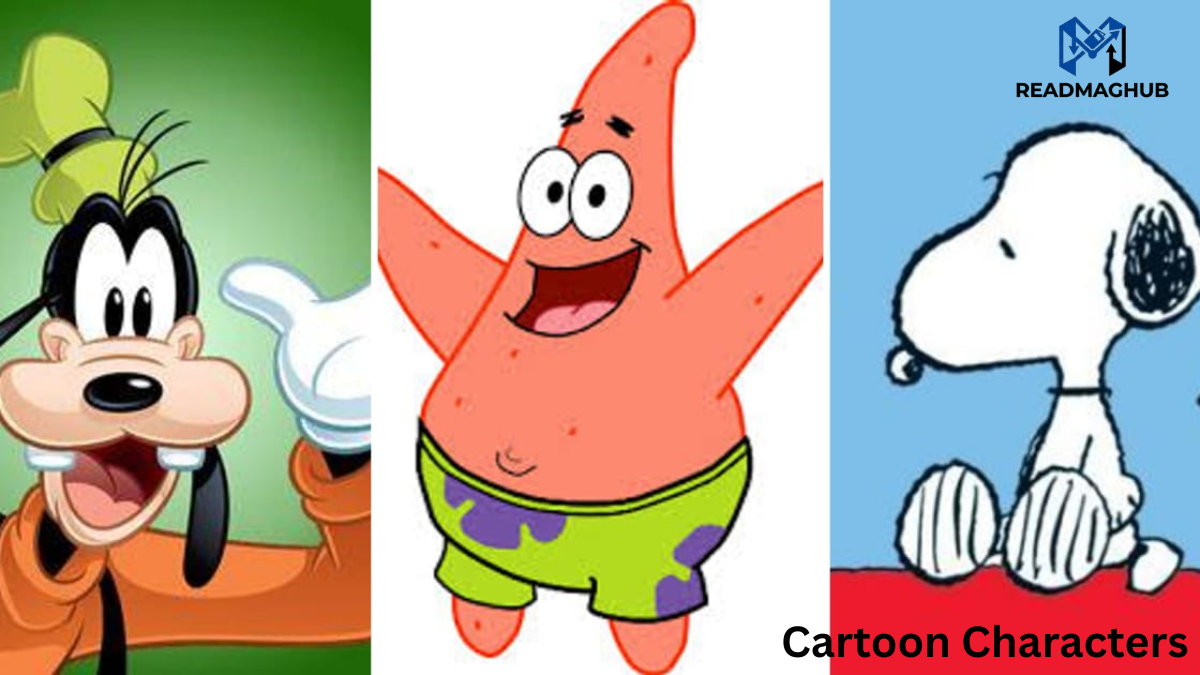

Cartoon-characters have shaped childhood memories, internet humor, fashion trends, and even modern storytelling for decades. Whether someone grew up watching classic Saturday morning shows or scrolling through animated memes online, certain cartoon-characters become unforgettable because they connect emotionally, visually, or culturally. Some are hilarious, some are weird-looking, and some are surprisingly relatable despite being fictional.
What makes cartoon-characters so interesting is how different audiences connect to different styles. Kids often love cute cartoon-characters because of bright colors and playful personalities, while adults may appreciate funny cartoon-characters or old cartoon-characters because of nostalgia. Meanwhile, artists search for cartoon-characters to draw because simple animation designs can teach expression, movement, and storytelling better than realistic art.
This guide explores the most memorable types of cartoon-characters, from famous cartoon-characters and Disney cartoon-characters to black cartoon-characters, bald cartoon-characters, and even funny looking cartoon-characters that became icons despite unconventional designs. You’ll also discover lesser-known insights about why some animated characters become timeless while others disappear quickly.
Why Cartoon Characters Stay Popular for Generations
Many animated characters outlive the shows they came from. That happens because strong cartoon design is more than appearance.
Great cartoon-characters usually combine three things:
- A recognizable silhouette
- A memorable personality
- Emotional relatability
For example, viewers can identify certain characters just from their outline, glasses, hairstyle, or voice. That instant recognition creates a long-lasting connection.
Another overlooked reason is emotional simplicity. Animated characters often express emotions more clearly than live-action actors. This makes them easier for audiences worldwide to understand regardless of language or culture.
A Unique Insight Most People Miss
One reason famous cartoon-characters remain popular is “repeatability.” Animators intentionally create designs that can be drawn thousands of times quickly. Simpler shapes often survive longer in pop culture than overly detailed designs.
That’s why many old cartoon characters still look modern today.
Famous Cartoon Characters That Changed Animation
Some animated figures completely transformed entertainment.
Classic Icons
Popular old cartoon characters often became symbols of entire generations.
Examples include:
- Mickey Mouse
- Bugs Bunny
- Scooby-Doo
- Tom and Jerry
- Popeye
These characters succeeded because they balanced humor with simple visual storytelling.
Modern Animated Legends
Newer generations grew up with:
- SpongeBob SquarePants
- Rick Sanchez
- Gumball Watterson
- Finn and Jake
- Bluey
These shows introduced smarter humor and emotional storytelling while still keeping cartoon energy alive.
Why Simplicity Wins
A common mistake newer creators make is overdesigning characters. The most famous cartoon characters usually have:
- Limited colors
- Simple facial expressions
- Distinct body shapes
- Easy-to-recognize accessories
That design approach helps characters remain memorable even decades later.
Disney Cartoon Characters and Their Lasting Influence
Disney cartoon characters shaped modern animation more than any other studio.
Why Disney Characters Feel Timeless
Disney focuses heavily on emotional storytelling. Characters are designed around personality first and visuals second.
Popular examples include:
- Simba
- Elsa
- Genie
- Stitch
- Ariel
Even side characters often become cultural icons because they support emotional moments instead of existing only for comedy.
A Lesser-Known Industry Insight
Disney animators often exaggerate one physical trait to make characters memorable:
- Large eyes for innocence
- Sharp features for villains
- Rounded bodies for friendliness
This technique quietly influences nearly every animation studio today.
Black Cartoon Characters Who Made a Cultural Impact
Representation in animation has evolved significantly.
Black cartoon characters today are more layered, realistic, and central to storytelling than in earlier decades.
Important Examples
Some standout animated characters include:
- Frozone
- Penny Proud
- Static Shock
- Susie Carmichael
- Craig Williams
These characters helped audiences see broader cultural experiences in mainstream animation.
Why Representation Matters in Animation
Cartoons strongly influence childhood identity and confidence. Seeing diverse personalities, hairstyles, voices, and family dynamics helps audiences feel included.
Modern animation studios now invest more in authentic writing instead of relying on stereotypes.
Funny Cartoon Characters People Never Forget
Comedy is one of the biggest reasons animated shows survive.
Funny cartoon characters often become meme legends because their reactions are exaggerated and emotionally relatable.
What Makes a Cartoon Character Funny?
Usually, it comes from:
- Overreaction
- Unexpected confidence
- Awkward timing
- Visual chaos
- Distinctive voice acting
Examples include:
- Patrick Star
- Homer Simpson
- Daffy Duck
- Johnny Bravo
- Mr. Bean (animated version)
The Secret Behind Animated Comedy
Animators often use “anticipation motion,” where characters prepare dramatically before doing something ridiculous. That tiny delay increases comedic payoff.
It’s one reason cartoons still outperform live-action comedy in visual humor.
Female Cartoon Characters Who Became Cultural Icons
Female cartoon characters are no longer limited to sidekick roles or princess stereotypes.
Modern audiences appreciate complex girl cartoon characters with strong personalities and realistic struggles.
Popular Female Characters
- Kim Possible
- Velma Dinkley
- Raven
- Moana
- Marceline
These characters balance strength, flaws, humor, and emotional growth.
A Big Shift in Animation
Earlier cartoons focused heavily on appearance. Modern female cartoon characters succeed more because of personality depth and relatable writing.
That shift improved storytelling quality overall.
Cartoon Characters With Glasses, Bald Heads, and Unique Looks
Odd-looking characters are often more memorable than conventionally attractive ones.
Cartoon Characters With Glasses
Characters with glasses are frequently portrayed as:
- Intelligent
- Socially awkward
- Observant
- Inventive
Examples include:
- Velma
- Dexter
- Carl Wheezer
- Professor Frink
Bald Cartoon Characters
Bald cartoon characters stand out visually because smooth head shapes simplify animation and make expressions more readable.
Popular examples:
- Charlie Brown
- Homer Simpson
- Caillou
- Aang (partially shaved)
- Uncle Fester
Why Unusual Designs Work
Funny looking cartoon characters often succeed because imperfections make them relatable. Audiences remember uniqueness more than perfection.
Blue Cartoon Characters and Why Color Matters
Blue cartoon characters appear surprisingly often in animation.
Examples include:
- Sonic the Hedgehog
- Stitch
- Smurfs
- Genie
- Blue from Blue’s Clues
Why Animators Love Blue
Blue communicates:
- Calmness
- Mystery
- Friendliness
- Imagination
It also contrasts well against most animated backgrounds, making characters easier to notice.
This is a design trick many animation studios intentionally use.
90s Cartoon Characters That Defined an Era
The 1990s created some of the most experimental cartoons ever made.
Popular 90s Cartoon Characters
- Courage the Cowardly Dog
- Dexter
- Johnny Bravo
- CatDog
- Reptar
- Doug
Why 90s Cartoons Felt Different
Studios during the 90s took bigger creative risks:
- Weird art styles
- Dark humor
- Strange sound effects
- Emotional storytelling
That era helped cartoons appeal to both kids and adults simultaneously.
Cute Cartoon Characters vs Ugly Cartoon Characters
Interestingly, both extremes perform well.
Cute Cartoon Characters
Cute designs usually feature:
- Big eyes
- Rounded shapes
- Soft colors
- Small noses
Examples:
- Kirby
- Pikachu
- Totoro
Ugly Cartoon Characters
Ugly cartoon characters often become unexpectedly lovable because of humor and personality.
Examples:
- Ren and Stimpy
- Ed from Ed, Edd n Eddy
- Mr. Meaty characters
A Rare Insight About Character Design
Characters that are slightly imperfect emotionally connect better than flawless ones. Viewers subconsciously trust imperfect characters more because they feel human.
Hot Cartoon Characters and Internet Culture
Animated fandom culture has changed dramatically online.
Hot cartoon-characters have become major discussion topics across social media because animation allows exaggerated confidence, fashion, and personality traits.
Examples often mentioned include:
- Jessica Rabbit
- Shego
- Prince Zuko
- Lola Bunny
Why Audiences Connect Strongly
People are usually responding to personality energy rather than realism. Confidence, humor, intelligence, and emotional depth matter more than physical design alone.
Cartoon Characters to Draw for Beginners
Learning animation starts with simple shapes.
Easy Character Types for Beginners
Try drawing:
- Bald cartoon-characters
- Blue cartoon-characters
- Funny cartoon-characters
- Old cartoon-characters with simple outlines
Practical Drawing Tips
- Start with circles and squares
- Focus on facial expressions first
- Avoid excessive detail
- Practice exaggerated poses
- Study silhouettes before coloring
Common Beginner Mistakes
Many artists:
- Overcomplicate anatomy
- Add too many details
- Ignore expression
- Copy instead of understanding shape design
Professional animators often recommend drawing the same character repeatedly from different angles.
Male Cartoon Characters That Became Legends
Male cartoon-characters dominate many classic animated franchises.
Popular examples include:
- Bugs Bunny
- Samurai Jack
- Ben 10
- Scooby-Doo
- Peter Griffin
The strongest male characters usually balance confidence with flaws. Perfect characters often feel boring.
Stoned Cartoon Characters and Adult Animation Trends
Adult animation introduced more surreal humor styles.
Stoned cartoon-characters became popular because exaggerated confusion and absurd reactions fit animated storytelling naturally.
Shows like:
- Rick and Morty
- Beavis and Butt-Head
- South Park
helped normalize mature animated comedy for adult audiences.
FAQ
Why are cartoon characters so memorable?
Cartoon-characters are designed with strong visual features, exaggerated emotions, and simple shapes that audiences instantly recognize. Memorable personalities also create emotional attachment over time. The best characters balance humor, relatability, and visual uniqueness.
Which cartoon characters are easiest to draw?
Simple designs work best for beginners. Bald cartoon-characters, funny cartoon-characters, and classic 90s cartoon-characters usually have cleaner shapes and fewer details. Starting with circles and exaggerated expressions makes practice easier.
Why do people love funny looking cartoon characters?
Funny looking cartoon-characters often feel more relatable and emotionally expressive than perfect-looking characters. Their unusual designs also help them stand out visually. Imperfections make animated personalities feel more human and memorable.
Why are 90s cartoon characters still popular today?
Many 90s cartoon-characters combined weird humor, emotional storytelling, and experimental art styles. That creative freedom made the shows unique compared to modern formula-based animation. Nostalgia also plays a major role.
What makes Disney cartoon characters different?
Disney cartoon-characters focus heavily on emotional storytelling and expressive animation. Their personalities are carefully developed so audiences connect emotionally rather than just visually. This creates long-lasting popularity across generations.
Why do blue cartoon characters appear so often?
Blue is visually calming, friendly, and easy to notice on screen. Animators use blue because it contrasts well with backgrounds and creates approachable personalities. It’s one of the most effective colors in animation design.
Conclusion
Cartoon characters are far more than animated drawings. They influence humor, fashion, storytelling, internet culture, and even emotional development. From funny cartoon-characters and female cartoon-characters to ugly cartoon-characters and Disney cartoon-characters, each design reflects changing audience tastes and cultural trends.
The most successful animated characters are rarely the most realistic. Instead, they are emotionally clear, visually distinct, and easy to remember. That’s why some characters remain iconic for decades while others disappear quickly.
Whether you enjoy cute cartoon-characters, classic 90s cartoon-characters, or cartoon characters to draw for practice, animation continues to evolve because audiences connect deeply with imaginative personalities that feel surprisingly human.