
A federal government shutdown can feel confusing until it starts affecting everyday life. One day national parks are open, passport applications move normally, and federal employees are working. The next day, headlines warn about unpaid workers, delayed services, and political deadlock in Washington.
For many people, the biggest question is simple: How does a shutdown actually affect me? The answer depends on your job, benefits, travel plans, and even the timing of tax season. While news coverage often focuses on political drama, the real impact is usually felt by federal workers, contractors, small businesses, and families waiting on government services.
This guide explains what a federal government shutdown is, why it happens, how long it can last, and what services continue operating during one. You’ll also learn practical ways to prepare, common misconceptions people have, and several lesser-known effects that rarely get discussed in major news reports. Whether you work for the government, rely on federal programs, or simply want to understand the situation better, this article breaks it down in clear and practical terms.
What Is a Federal Government Shutdown?
A federal government shutdown happens when Congress fails to pass funding legislation for federal agencies before the government’s budget deadline.
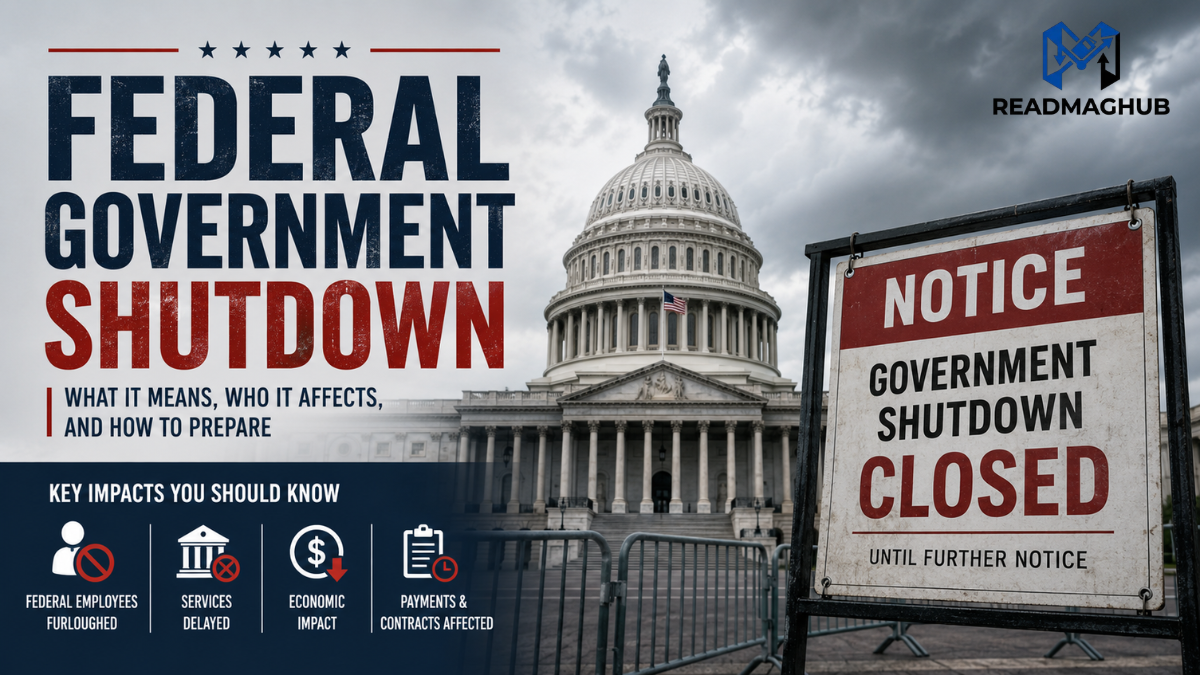
Without approved funding, many government departments cannot legally spend money. As a result:
- Some federal offices close temporarily
- Many employees are furloughed
- Certain services slow down or stop
- Essential operations continue with limited staffing
Shutdowns are not the same as a complete collapse of government. Critical functions tied to safety and national security usually continue operating.
Why Does It Happen?
The most common reasons include:
- Disagreements over federal spending
- Political conflicts between Congress and the president
- Delays in passing annual appropriations bills
- Debates over policy issues tied to the budget
In many cases, lawmakers use temporary funding bills called “continuing resolutions” to avoid shutdowns. When those fail, agencies run out of authorized funding.
What Services Continue During a Shutdown?
One of the biggest misconceptions is that everything stops. In reality, many critical services continue operating.
Services That Usually Continue
These are often considered “essential”:
- Military operations
- Air traffic control
- Border security
- Social Security payments
- Medicare and Medicaid benefits
- Postal Service operations
- Emergency medical services
- Federal law enforcement
Essential workers may still have to work without immediate pay until Congress passes funding.
Services That May Slow Down or Pause
These often face disruptions:
- Passport processing delays
- IRS customer support
- National park staffing
- Museum operations
- Small business loan approvals
- Federal inspections
- Research grants
- Housing assistance processing
The level of disruption depends on the length of the shutdown.
How a Federal Government Shutdown Affects Workers
Federal Employees
Federal workers are usually divided into two groups:
- Essential employees
They continue working, even if paychecks are delayed. - Non-essential employees
They are furloughed temporarily and cannot legally work.
Historically, Congress has approved back pay after shutdowns ended, but workers still face short-term financial pressure.
Government Contractors
Contractors often experience the harshest financial impact because many are not guaranteed back pay.
For example:
- Cleaning services at federal buildings may stop
- IT contractors may lose temporary income
- Construction projects can pause
- Consulting agreements may freeze
This ripple effect impacts local economies, especially in areas with large federal workforces.
Small Businesses Near Federal Offices
Restaurants, coffee shops, parking garages, and retail stores near government buildings often lose significant revenue during long shutdowns.
One overlooked insight is that shutdowns can create a “silent economic slowdown” in cities with heavy federal employment. Businesses may see reduced customer traffic within days.
The Economic Impact of a Government Shutdown
The economic cost of a shutdown goes beyond missed paychecks.
Immediate Effects
- Reduced consumer spending
- Delayed federal contracts
- Slower government approvals
- Stock market uncertainty
- Lower tourism revenue
Long-Term Effects
If shutdowns continue for weeks, larger problems can develop:
- Lower GDP growth
- Reduced investor confidence
- Delays in public infrastructure projects
- Financial stress for workers and families
Economists have noted that even short shutdowns can create lasting administrative backlogs that take months to fix.
A Lesser-Known Impact: Delayed Data Releases
One unique issue rarely discussed is the delay of important economic reports.
During shutdowns, agencies may postpone:
- Employment reports
- Agricultural data
- Housing statistics
- Inflation updates
This creates uncertainty for businesses, investors, and even the Federal Reserve when making economic decisions.
Historical Examples of Federal Government Shutdowns
1995–1996 Shutdown
This shutdown lasted 21 days and centered on budget disputes between Congress and President Bill Clinton.
Effects included:
- Closed national parks
- Delayed passport processing
- Hundreds of thousands of furloughed workers
2013 Shutdown
The 16-day shutdown involved disagreements over healthcare funding.
Major impacts:
- Federal museums closed
- Research programs paused
- Economic losses estimated in billions
2018–2019 Shutdown
This became the longest federal government shutdown in U.S. history at 35 days.
Key effects included:
- TSA staffing shortages
- Delayed tax processing
- Missed contractor income
- Significant pressure on unpaid workers
One unique lesson from this shutdown was how quickly workforce morale dropped in critical agencies. Experts later warned that repeated shutdown threats can damage long-term recruitment for federal jobs.
Who Gets Paid During a Shutdown?
This is one of the most searched questions during shutdown periods.
Usually Paid on Time
- Social Security recipients
- Veterans receiving benefits
- Military personnel
- Medicare beneficiaries
Potentially Delayed
- Some federal employee salaries
- Contractor payments
- Federal grant reimbursements
- Tax refunds in certain situations
The details often depend on emergency legislation and agency funding structures.
How to Prepare for a Federal Government Shutdown
If You’re a Federal Employee
Consider these practical steps:
- Build an emergency savings buffer
- Review automatic bill payments
- Contact lenders early if needed
- Keep work status documents organized
Many banks and credit unions near Washington, D.C., sometimes offer temporary relief programs for federal workers during shutdowns.
If You Depend on Government Services
You may want to:
- Renew passports early
- File paperwork before deadlines
- Avoid waiting until the last minute for permits or approvals
If You Own a Business
Businesses tied to federal spending should:
- Prepare for cash flow interruptions
- Diversify client sources
- Monitor contract timelines carefully
A smart but rarely mentioned strategy is maintaining extra operating liquidity before major federal budget deadlines. Some contractors learned this lesson the hard way during previous shutdowns.
Common Misunderstandings About Shutdowns
“The Entire Government Closes”
Not true. Essential services continue functioning.
“Federal Workers Never Get Paid”
Historically, most federal employees receive back pay later, although delays can create serious financial stress.
“Shutdowns Only Affect Washington, D.C.”
Federal spending affects communities nationwide. Military towns, research hubs, tourism areas, and contractor-heavy regions all feel the effects.
“Shutdowns End Quickly”
Some do, but political standoffs can extend for weeks.
Political Strategy Behind Shutdown Threats
Shutdowns are often tied to negotiation tactics.
Political leaders sometimes use funding deadlines to pressure opponents into accepting policy demands. This creates public pressure because shutdowns quickly generate visible consequences.
However, repeated shutdown threats can weaken public trust in government institutions over time. Political analysts increasingly view shutdowns not just as budget disputes, but as signals of deeper legislative dysfunction.
That broader institutional impact is something many headlines overlook.
What Happens After a Shutdown Ends?
When funding is restored:
- Employees return to work
- Agencies reopen
- Back pay is usually processed
- Delayed projects restart
But recovery is rarely immediate.
Agencies often face:
- Massive paperwork backlogs
- Appointment delays
- Slower customer service
- Operational confusion
For example, national parks may reopen quickly, but maintenance and staffing shortages can continue for weeks afterward.
FAQ About Federal Government Shutdown
What causes a federal government shutdown?
A federal government shutdown happens when Congress and the president fail to approve funding legislation before budget deadlines. Without legal authorization to spend money, certain federal agencies must suspend non-essential operations. Political disagreements over spending priorities are usually the main cause.
Do federal employees get paid during a shutdown?
Essential employees often continue working without immediate pay, while furloughed workers stay home temporarily. In most past shutdowns, Congress later approved back pay for affected federal employees. However, the delay can still create financial hardship for many households.
Are Social Security checks affected by a shutdown?
Social Security benefits generally continue during a federal government shutdown because the program has separate funding mechanisms. Most recipients still receive payments on schedule. However, customer service and processing times for certain requests may slow down.
How long can a government shutdown last?
A shutdown can last anywhere from a few hours to several weeks. The longest federal government shutdown in U.S. history lasted 35 days between 2018 and 2019. The duration depends entirely on how quickly political leaders reach a funding agreement.
What closes during a federal government shutdown?
National parks, museums, administrative offices, and some federal agencies may reduce services or close temporarily. Passport processing, permits, and inspections can also face delays. Essential services like military operations and air traffic control usually continue.
Does a shutdown hurt the economy?
Yes, especially if it lasts for an extended period. Shutdowns reduce consumer spending, delay contracts, and create uncertainty for businesses and investors. Economists also point to hidden costs like reduced productivity and delayed economic reporting.
Conclusion
A federal government shutdown is more than a political headline. It affects workers, businesses, travelers, contractors, and families across the country. While essential services usually continue, shutdowns create uncertainty that can ripple through the economy and daily life surprisingly fast.
Understanding how shutdowns work helps people prepare more effectively and avoid unnecessary panic. Whether you’re waiting on government services, managing a business tied to federal contracts, or simply following national politics, knowing the real-world impact matters.
The biggest takeaway is this: shutdowns are temporary, but their effects can linger long after lawmakers reach a deal. Planning ahead, staying informed, and understanding what actually changes during a shutdown can make a stressful situation far easier to manage.