
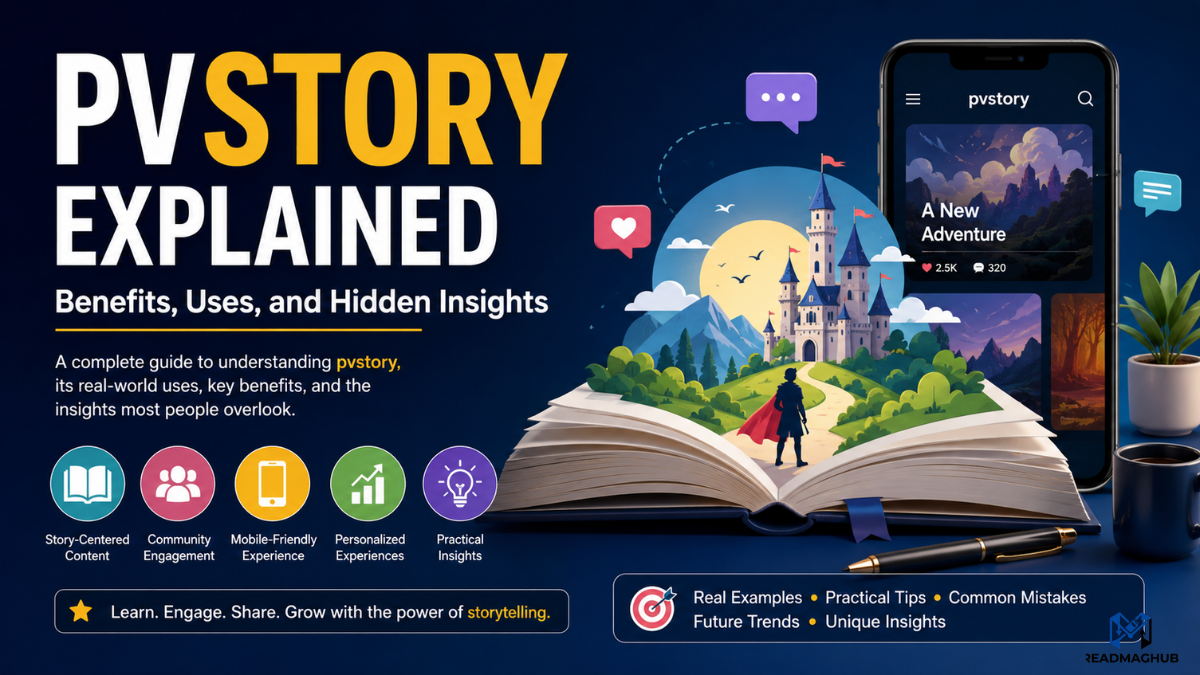

If you’ve recently come across the term pvstory, you may have noticed that information about it is often limited, confusing, or scattered across different sources. Whether you’re researching it for personal interest, professional use, or simply trying to understand what people mean when they mention pvstory, finding a clear explanation can be surprisingly difficult.
Many users encounter unfamiliar platforms, concepts, or digital tools online and struggle to determine their purpose, value, and practical applications. That’s where this guide helps. Instead of offering vague descriptions, this article takes a deeper look at pvstory, explains its potential significance, explores real-world use cases, and highlights important insights that many discussions overlook.
By the end of this guide, you’ll understand what pvstory is, why people are interested in it, how it may be used, and what factors to consider before engaging with it. Whether you’re a beginner or someone seeking more advanced information, this comprehensive overview is designed to provide clear, useful, and trustworthy answers.
What Is Pvstory?
At its core, pvstory appears to be a term associated with digital storytelling, online content experiences, or platform-based narrative sharing, depending on the context in which it is used.
The growing popularity of interactive content has created demand for platforms and concepts that allow users to create, share, and experience stories in new ways. Pvstory fits within this broader trend by emphasizing narrative-driven experiences rather than simple content consumption.
Unlike traditional blogs or static web pages, modern storytelling platforms often focus on:
- User engagement
- Visual presentation
- Interactive elements
- Community participation
- Personalized experiences
The exact interpretation of pvstory may vary depending on the platform or community discussing it, but its underlying theme typically revolves around storytelling and digital engagement.
Why Are People Searching for Pvstory?
Interest in pvstory has increased because users are constantly looking for new ways to consume and create content online.
Several factors contribute to this growing curiosity:
1. Digital Storytelling Growth
People no longer want to read plain text alone. They prefer immersive experiences that combine:
- Narrative
- Visual elements
- User interaction
- Personal relevance
2. Creator Economy Expansion
Content creators are exploring alternative methods to connect with audiences. Story-focused platforms often provide opportunities to build stronger audience relationships.
3. Community-Driven Experiences
Many storytelling platforms encourage participation rather than passive viewing. Users can engage with stories, contribute ideas, or interact with creators.
Key Features Commonly Associated with Pvstory
While implementations may vary, several features are commonly connected to the concept of pvstory.
Story-Centered Content
The primary focus is the story itself rather than advertising, promotion, or algorithm-driven content.
User Participation
Many modern storytelling environments allow users to:
- Comment on narratives
- Influence outcomes
- Share feedback
- Collaborate on content
Mobile-Friendly Experience
Most users access content through smartphones. Successful storytelling platforms prioritize mobile usability.
Personalized Content Delivery
Users often receive recommendations based on interests and previous interactions.
Practical Uses of Pvstory
Understanding the practical applications helps explain why interest continues to grow.
For Individual Creators
Creators can use storytelling-focused platforms to:
- Build an audience
- Share personal experiences
- Publish creative work
- Strengthen community engagement
For example, a travel creator could transform a simple trip report into an interactive story that guides readers through each destination.
For Businesses
Businesses increasingly recognize the power of storytelling.
Instead of saying:
“Our product is great.”
A story-based approach might show:
“Here’s how a customer solved a real problem using our solution.”
Stories create emotional connections that facts alone often cannot achieve.
For Education
Educational content becomes more memorable when presented through stories.
Teachers and trainers frequently use narratives to explain:
- Historical events
- Scientific concepts
- Business case studies
- Personal development lessons
For Community Building
Communities thrive when members share experiences and perspectives. Storytelling encourages deeper conversations and stronger connections.
How Pvstory Differs From Traditional Content Platforms
Many people assume all content platforms work similarly, but there are important differences.
| Traditional Platforms | Pvstory-Style Approach |
| Information-focused | Narrative-focused |
| Static content | Interactive experiences |
| One-way communication | Community participation |
| Limited engagement | Higher engagement potential |
| Content consumption | Content experience |
This shift reflects changing user expectations.
Modern audiences often value experiences as much as information.
Unique Insight #1: Story Structure Matters More Than Technology
One misconception is that success comes from advanced technology.
In reality, compelling storytelling remains the most important factor.
Even the most sophisticated platform cannot compensate for:
- Weak narratives
- Poor pacing
- Lack of authenticity
Successful creators focus on storytelling fundamentals first and technology second.
This principle is often overlooked in discussions about digital content.
Unique Insight #2: Audience Retention Often Improves Through Micro-Stories
Many creators try to produce longer content to appear more authoritative.
However, shorter connected narratives frequently outperform lengthy presentations.
Micro-stories work because they:
- Reduce cognitive load
- Increase completion rates
- Encourage repeat visits
- *7Create anticipation
This approach is becoming increasingly important in mobile-first environments.
Unique Insight #3: Emotional Relevance Drives More Engagement Than Production Quality
A surprising trend across many storytelling platforms is that audiences often respond more strongly to relatable experiences than highly polished content.
Users connect with:
- Authentic struggles
- Real lessons learned
- Honest experiences
- Practical outcomes
An imperfect but genuine story can outperform professionally produced content that lacks emotional relevance.
This insight is frequently underestimated.
Best Practices for Using Pvstory Effectively
Whether you’re creating content or evaluating stories, these practices can improve results.
Focus on Clarity
Avoid unnecessary complexity.
Ask:
- What is the main message?
- Why should the audience care?
- What action should they take?
Start With a Problem
Great stories often begin with a challenge.
Examples include:
- A business obstacle
- A personal struggle
- A learning experience
- A surprising discovery
Maintain Consistency
Regular storytelling builds audience trust and familiarity.
Use Real Examples
Specific examples are more memorable than abstract concepts.
Instead of:
“People achieved success.”
Say:
“A small business increased customer retention by improving its storytelling approach.”
Common Mistakes People Make
Prioritizing Features Over Stories
Technology should support the story, not replace it.
Ignoring Audience Needs
Stories should solve a problem, answer a question, or provide value.
Overcomplicating Content
Simple narratives often perform better than highly complex ones.
Chasing Trends Excessively
Trend-based content can generate short-term attention but rarely builds long-term trust.
How to Evaluate Whether Pvstory Is Right for You
Consider the following questions:
Are You Trying to Build Engagement?
Story-based approaches often increase audience involvement.
Do You Have Experiences Worth Sharing?
Authentic experiences create stronger connections than generic information.
Is Your Audience Interested in Narrative Content?
Different audiences prefer different formats.
Understanding audience preferences is essential.
Can You Maintain Consistent Quality?
Consistency generally produces better long-term results than occasional bursts of activity.
Future Trends Related to Pvstory
The future of storytelling appears increasingly interactive.
Several trends are worth watching:
AI-Assisted Story Creation
Creators can use AI tools to brainstorm ideas and improve efficiency.
Personalized Story Experiences
Content may adapt based on user behavior and preferences.
Interactive Narratives
Readers may influence story outcomes more directly.
Community-Created Content
Collaborative storytelling continues to gain popularity.
These developments could significantly reshape how stories are created and consumed.
Frequently Asked Questions
What does pvstory mean?
Pvstory generally refers to a storytelling-focused concept, platform, or content experience that emphasizes narrative engagement and user interaction. The exact meaning can vary depending on context, but storytelling remains the central theme.
Why is pvstory becoming popular?
People increasingly prefer engaging and personalized content experiences. Story-based formats help create emotional connections, improve retention, and encourage audience participation.
How is pvstory different from traditional content?
Traditional content often focuses on delivering information. Pvstory-style content prioritizes storytelling, interaction, and audience engagement to create a more immersive experience.
Can businesses benefit from pvstory?
Yes. Businesses can use storytelling to explain products, showcase customer experiences, build trust, and strengthen relationships with their audiences.
Is pvstory useful for beginners?
Absolutely. Beginners can start by sharing simple, authentic stories and gradually improve their storytelling skills over time. Authenticity often matters more than technical expertise.
What makes a successful pvstory?
Successful stories typically include a clear purpose, relatable experiences, emotional relevance, practical value, and strong audience understanding.
Conclusion
Pvstory represents a growing shift toward narrative-driven digital experiences. As audiences seek more meaningful connections with content, storytelling continues to become one of the most effective ways to inform, engage, and inspire.
The most important lesson is that successful storytelling isn’t about using the newest technology or following every trend. It’s about understanding your audience, sharing authentic experiences, and delivering value through compelling narratives.
Whether you’re a creator, business owner, educator, or curious reader, understanding the principles behind pvstory can help you communicate more effectively and build stronger connections in an increasingly digital world.